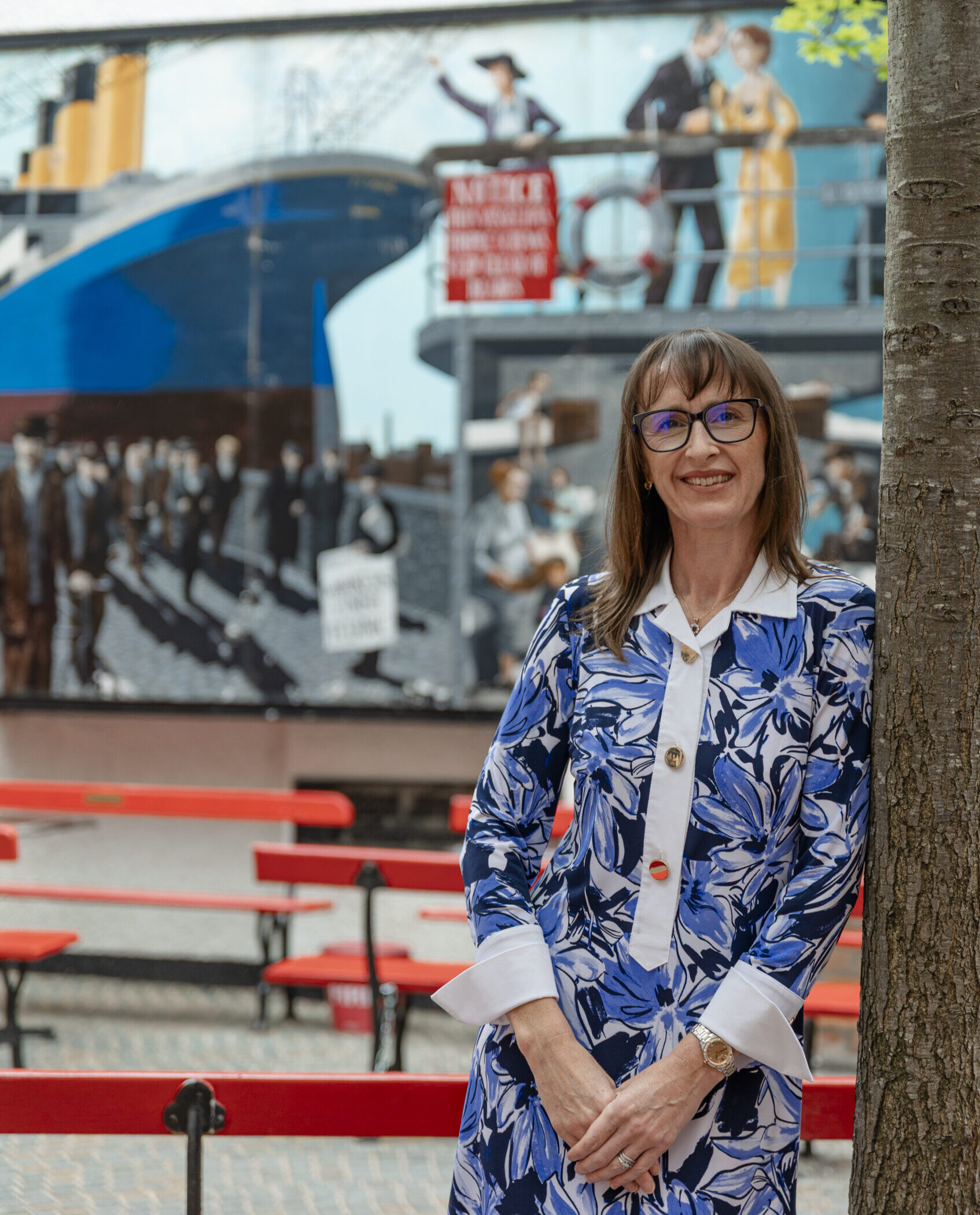
Marie Gleeson, a former naval officer and the founder of NavMar Leadership, brings more than two decades of operational leadership experience to her work supporting organisations in developing high-performing teams and sustainable leadership cultures.
Having spent 21 years in the Irish Navy, she draws lessons from her own career that can apply to other male-dominated industries like construction, where complex projects, safety-critical decisions and diverse teams demand effective leadership.
A keynote speaker at this year’s CIF International Women’s Day Summit, she talks to AIDAN PRIESTLEY about succeeding in a male-dominated environment and why systems are often the main barrier to real inclusion
Marie Gleeson joined the Irish Navy in the late 1990s, at a time when the organisation had only recently started to accept female recruits, being one of fewer than 50 women out of approximately 1,200 personnel.
And yet, she describes her experience as not being overly focused on that fact, saying that at the time “I had no real awareness of being one of the first. We arrived in and we did not know any better.”
Her early confidence was shaped by her upbringing. As a child and young teenager, she trained and played sport alongside boys because there were no girls’ teams available locally. “Nobody ever said to us as girls that we couldn’t,” she says. “We were just part of the class, and they treated us that way.”
For much of her early career, Marie worked as one of the only women in her immediate environment. She says what mattered most was the culture created by her peers.
“Your immediate peer group are really important, particularly when you are one of an ‘only’,” she says. “Whether you’re a woman in a male-dominated environment, whether it’s because of culture or ethnicity or race, being in a minority group, my experience is that your immediate peer group are really important to your experience.”
Marie is clear that male-dominated sectors are not inherently hostile to women. “Male-dominated industries, in my experience, are great places to work,” she says. She believes the greatest obstacles to inclusion are structural rather than individual. “Systems are the main barrier to real inclusion.”
“Do not try to fix women to fit into the system. Change the system.”
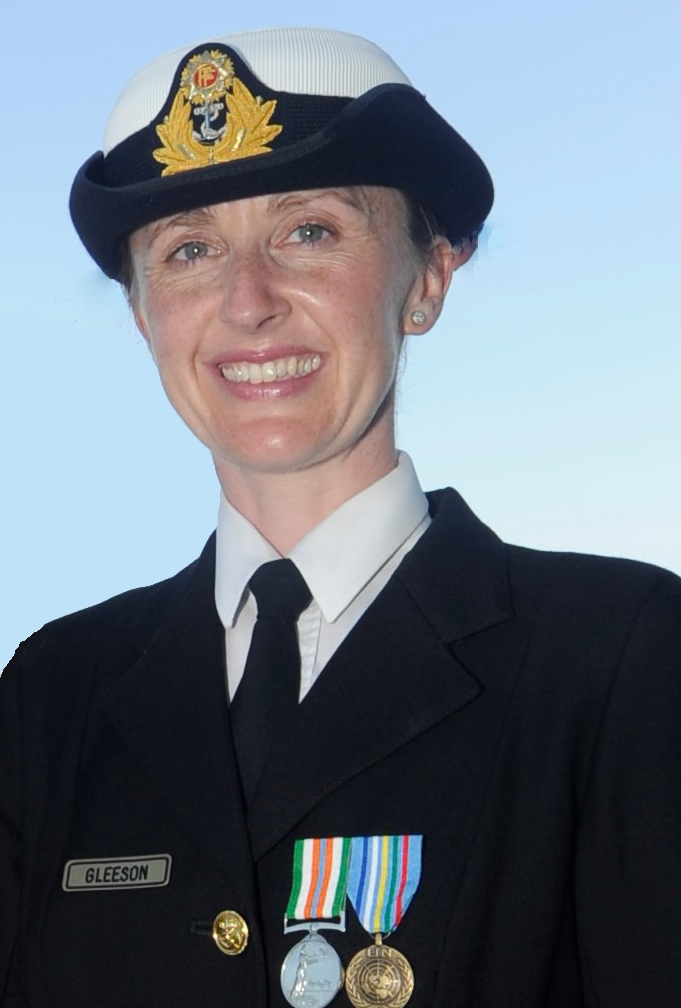
Marie Gleeson in her Navy days
More balance is needed in our workplaces and for this to happen we need to encourage more diverse joiners, she believes. Over time, Marie became more aware of the personal adjustments she was making to succeed.
“I adopted ‘male traits’ to try and fit in,” she says. “I felt I could not be emotional, I could not show a softer side, I could not be vulnerable.” That approach, she acknowledges, helped her survive in the short term but was not sustainable.
“When I moved into more senior roles, I felt far more comfortable to be me,” she says. “My biggest learning was that I did not actually have to be like a man to do well in the Navy, whereas I probably thought for the first decade that I did.”
This evolution coincided with broader changes within the military itself. She noticed a shift away from rigid command-and-control leadership towards approaches that recognised the benefits of diversity, emotional intelligence and individual strengths.
“The master and commander style of leadership does not work, long term, in the modern world,” she says. Her experience gives her a unique perspective when working with construction and engineering organisations today. She points out that much of the language used in business leadership originates in the military.
“Purpose, mission, vision and values all came from the military,” she says. In the Navy, these concepts were clearly defined and deeply embedded. “Courage, respect, integrity and loyalty were at the core of everything we did.”
In contrast, she finds organisations can struggle to translate these concepts into lived experience.
“Companies have purpose statements and values on the wall, but people may not relate to them,” she says. She believes this disconnect makes it difficult to build genuine team cohesion and shared accountability.
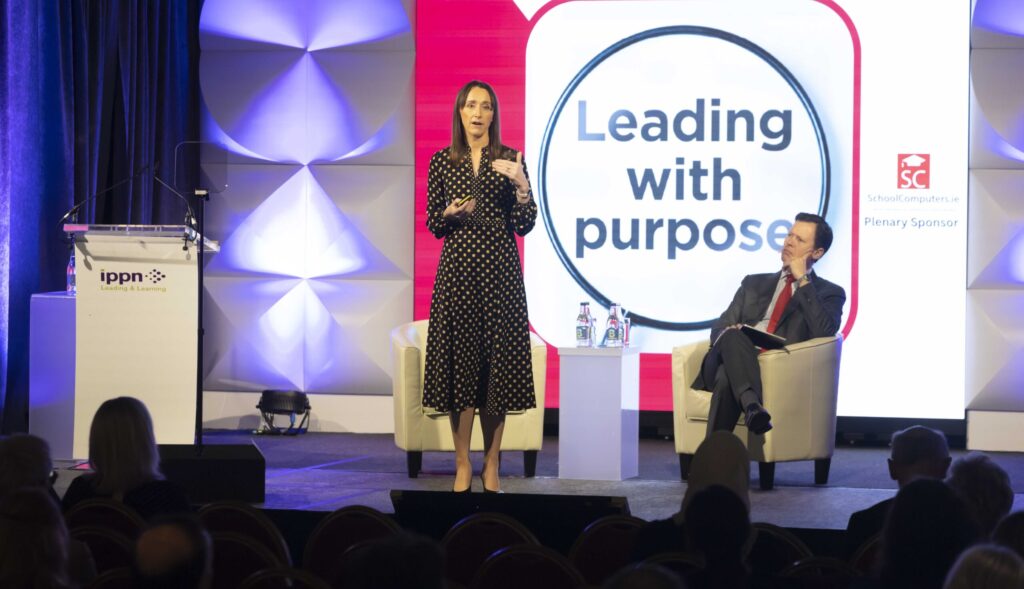
Marie believes in leading with purpose
Marie also emphasises the importance of cognitive diversity in leadership and decision-making.
“Cognitive diversity is crucial for success,” she says. “If everyone thinks the same, innovation and change are much harder to navigate successfully.”
She argues that diverse perspectives improve problem-solving, especially when teams are managing risk, uncertainty and time-critical decisions. Her consultancy work frequently involves helping organisations address uncomfortable issues.
“We all need to be brave in having difficult conversations,” she says, particularly about what it is like to be an only or part of a minority. She stresses that awareness cannot be assumed.
“I sometimes assumed challenges were obvious, like poorly fitting uniforms or safety gear, but that was not always the case,” she says. “You do not know what you do not know.” Ignorance however is no excuse for malice. “Bad behaviour needs to be called out,” she says. “No one should ever be mistreated at work.”
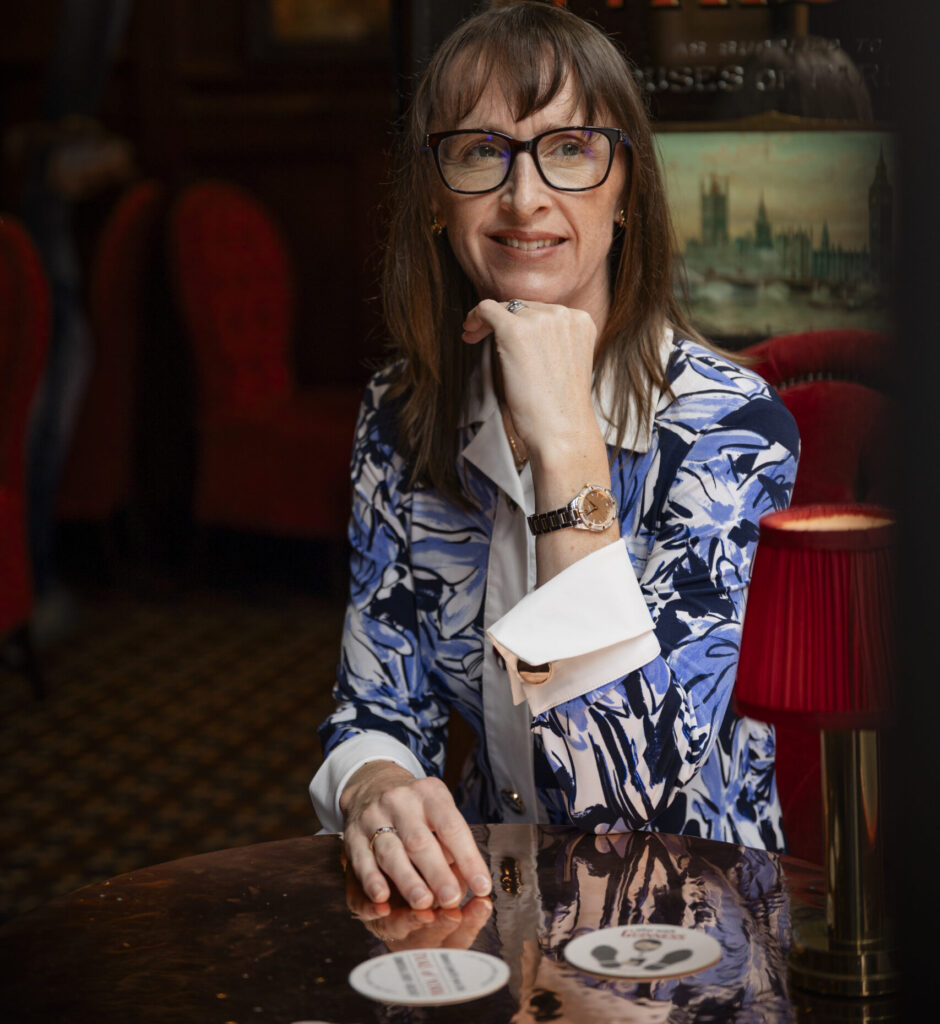
Marie says: “Do not try to fix women to fit into the system. Change the system.”
She believes that silence and tolerance of poor behaviour undermine both performance and trust. Inclusion, she argues, is not the responsibility
of individuals alone but of teams and leaders who set expectations. “When you are in a minority, your majority peer group are critical to your success.”
Drawing on her own career, she points to the importance of male allies who actively support progression. She says male-dominated organisations can offer significant opportunity for women when inclusion is supported and when people are willing to advocate for talent.
“I had people who put my name forward for opportunities. I had sponsors and advocates. These people were all men, because there were no senior women,” she says. “This is the influence that a great leader can have on a young woman, they give you the confidence to go for it because you can do it.”